
In Traditional Chinese Medicine (TCM), the menstrual cycle is not only seen as a reproductive process but as a direct expression of the energetic balance of the female body.
Menstruation is deeply related to the movement ofQi (vital energy)and the quality of theBlood (Xue), which nourishes the uterus and supports the hormonal and emotional balance of the woman.
When Qi flows freely and the blood is well-nourished, the cycle tends to be regular, not painful, and harmonious. When there are blockages, internal cold, stress, or energy weakness, the cycle begins to manifest signs such as pain, clots, irregularity, or extreme fatigue.
From this perspective, the cycle is amonthly indicator of the internal state of the body.
The energetic organs involved
In TCM, three systems are fundamental for the regulation of the cycle:
Liver: regulates the flow of Qi. Stress and emotional tension block it.
Spleen: produces blood. Fatigue and poor nutrition weaken it.
Kidney: stores female vital energy and regulates reproductive processes.
Cuando estos sistemas están en equilibrio, el ciclo se vive con mayor bienestar.
Body points you can stimulate when there is menstrual pain (TCM perspective)
In Traditional Chinese Medicine, menstrual pain is often associated withQi stagnation, internal coldorblood weakness.
Stimulating certain points helps to mobilize energy, provide warmth to the uterus, and relax tension.
How to stimulate them
Press with your thumb for 60–90 seconds per point
Breathe slowly and deeply
You can do this 2–3 times a day during bleeding
Ideal acompañar con calor en el bajo vientre
- ¿Cómo se mide un tsun ?
Use your own hand:
1 tsun→ the width of the thumb, at the level of the nail
1.5 tsun→ the width of the index and middle fingers together
2 tsun→ the width of three fingers (index, middle, and ring)
3 tsun→ the width of four fingers together (index, middle, ring, and pinky)
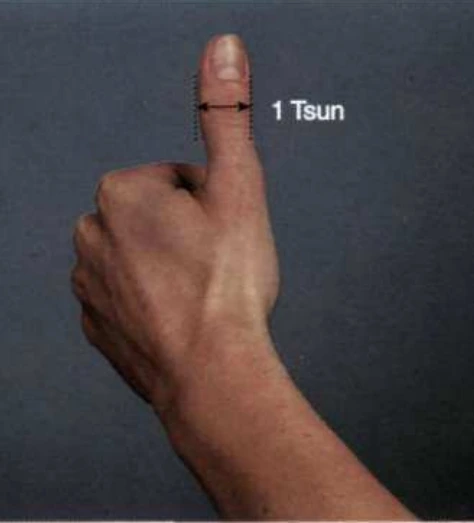
👉 Por ejemplo: en BP6 se dice “3 tsun”: equivale aproximadamente al ancho de cuatro dedos de la persona.
Bazo 6 · San Yin Jiao (SP6)
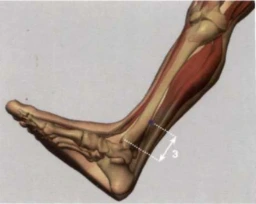
From the highest point of the internal malleolus (ankle bone), measure3 tsun upwards.
Then look for the edge of the tibia (the "shin" on the inside).
The point is just behind that bony edge, in a small depression.IF HANDLED ENERGETICALLY!
Hígado 3 · Tai Chong (LV3)
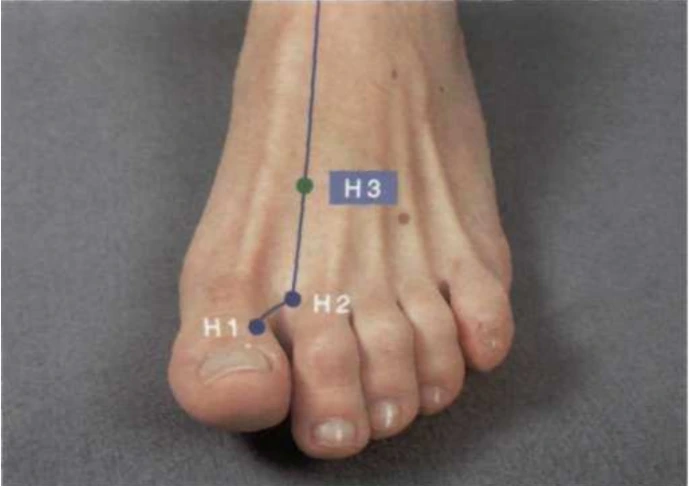
Look for the space between the first and second toes. Slide your finger up towards the ankle. Before reaching the long bones of the top of the foot, you will feel a small depression.
That is where the point is.1. Hypertension
Ren Mai 2
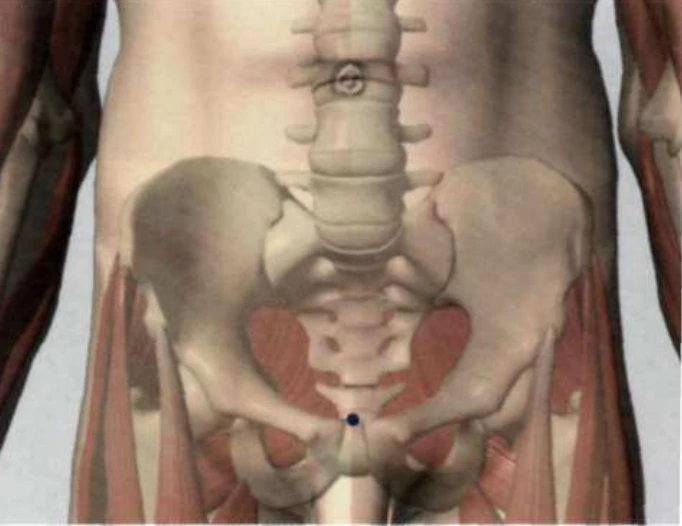
It is located in the center of the abdomen, along the midline of the body. From the navel, measure four fingers down (≈ 3 tsun).
That point is also two fingers above the pubic bone.
ATTENTION DURING PREGNANCY!
Where it is:three fingers below the navel.
Para qué sirve: aporta calor y energía al útero, muy útil cuando hay sensación de frío y dolor profundo.
Intestino Grueso 4 · Hegu (LI4)
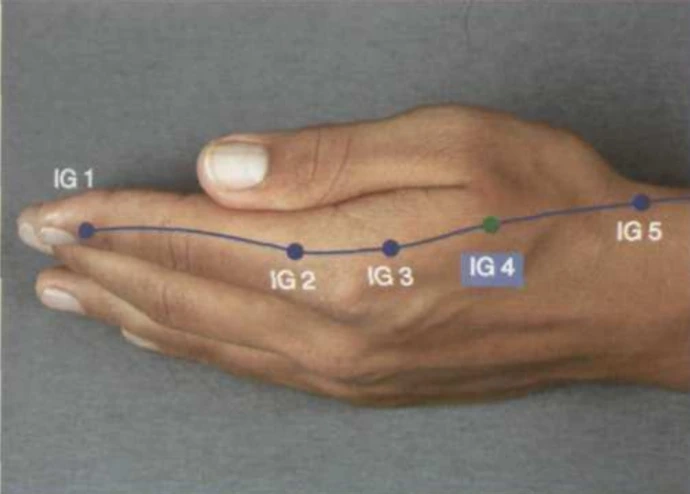
It is located on the back of the hand, between the thumb and index finger. Bring both fingers together and observe the relief that forms.
The point is at the highest part of that muscle, towards the center of the index bone.
OF LABOR IF MANIPULATED ENERGETICALLY
Key recommendation
These points work much better if the body is inheat:
Hot water bottle on the abdomen
Warm feet
Warm infusions (ginger, cinnamon, chamomile)
Rest
The uterus responds deeply to heat and the gentle movement of energy.